Closed Rhinoplasty: The Best Option for Minor Nasal Adjustments
Many imagine a nose job as a dramatic transformation that grabs attention, but in reality, the changes are usually much more subtle and refined. Most people are happy with their face overall and just notice one small thing about their nose that stands out to them in the mirror.
Maybe it’s a tiny bump along the bridge, a tip that droops ever so slightly, or a lack of definition that bothers you more than it should. Dr. Omar Fouda is known for this exact philosophy. He approaches rhinoplasty with a conservative, detail-driven mindset. Closed rhinoplasty often turns out to be the perfect solution. Unlike a full open procedure, it allows for refinements that enhance natural features without being too loud.
What is closed rhinoplasty?
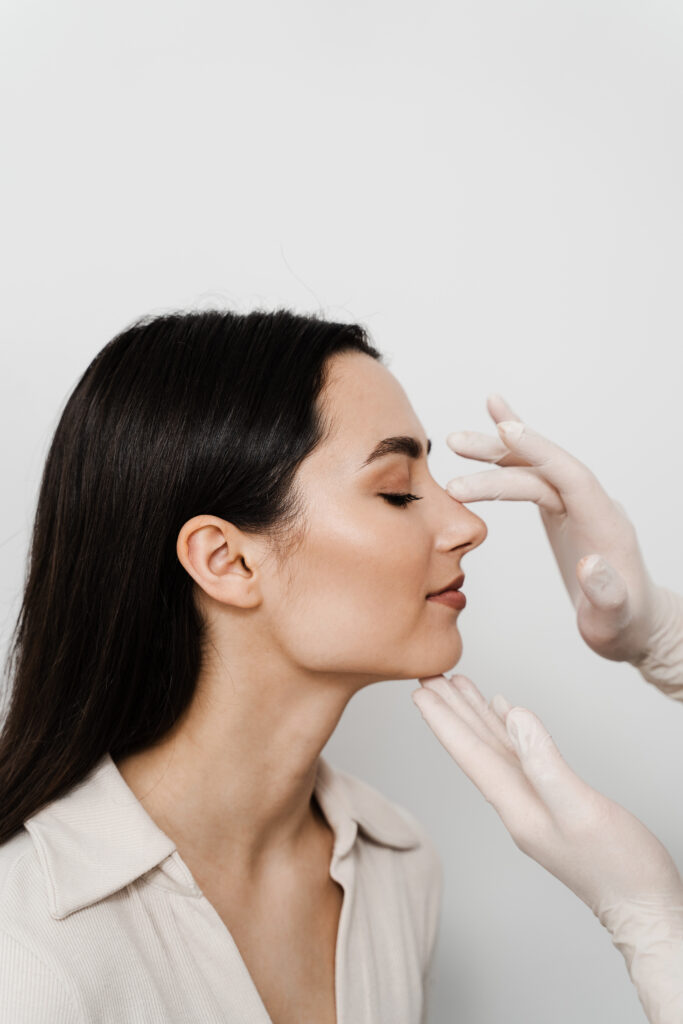
A closed approach rhinoplasty is a technique where every incision is made inside the nostrils, with no visible scars, no external cuts. By working entirely from within, surgeons can reshape and refine the nose while causing minimal disruption to the skin and surrounding tissues.
Imagine adjusting a few bolts under the hood rather than dismantling the entire front end. Sometimes, small changes are all you need. In closed nose rhinoplasty, this results in shorter surgery times, less swelling, and often faster recovery compared with the open approach.
Closed vs. Open Rhinoplasty
If you’ve ever searched for rhinoplasty open vs closed procedure, you know it can feel confusing. Here’s the thing: neither method is automatically better. It all comes down to what you want.
- Open rhinoplasty involves a small incision across the columella, the little strip of skin between your nostrils. This lets the surgeon lift the skin and see the entire nasal structure. It’s ideal for major reconstructions, correcting complex asymmetries, or revision surgeries.
- Closed rhinoplasty, on the other hand, is done entirely through the nostrils. It’s perfect for smaller tweaks, smoothing a bump, refining a tip, or straightening a slightly crooked nose. Benefits? Fewer visible scars, less swelling, shorter surgery, and results that look natural.
The benefits of closed rhinoplasty
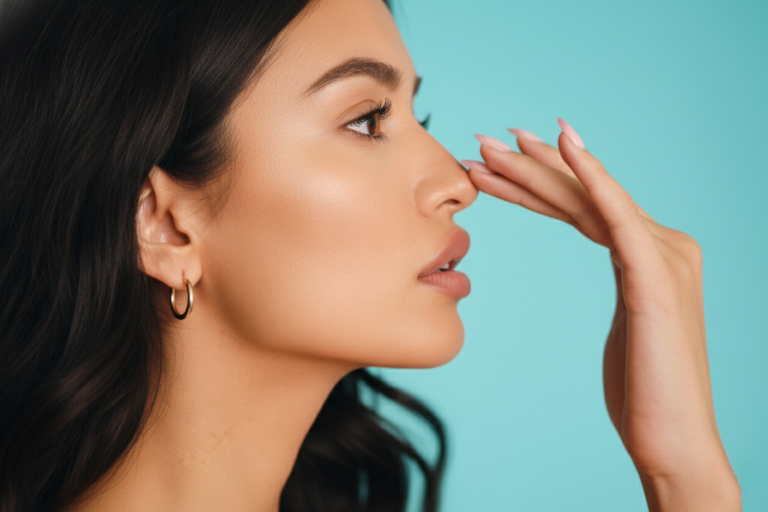
Many patients choose closed rhinoplasty for several reasons. Some of the main benefits are:
- No visible scarring – All cuts are inside your nostrils.
- Less swelling and bruising – The skin stays mostly intact.
- Shorter procedure time – Usually just 1–2 hours.
- Faster recovery – Most people return to work or their usual routines within 7 to 10 days.
Natural results – Small changes that help your face stay balanced and in harmony.
Who is a good candidate for closed rhinoplasty?
Closed rhinoplasty is best for those with:
- Minor bumps on the bridge
- Slightly drooping or wide tips
- Mildly crooked noses
- Interest in closed rhinoplasty tip refinement
If you need major reconstruction or have had several surgeries before, the open approach may be safer. The most important step is having a detailed consultation with a skilled surgeon to find the best option for your nose.
What is the procedure for rhinoplasty?
Preoperative Consultation
The process starts with a consultation. Dr. Omar Fouda looks at your nose, facial proportions, and overall structure. You’ll talk about your concerns and goals, go over your medical history, and discuss what to expect. Usually, photos are taken, and a rhinoplasty simulator might be used to show possible results.
Anesthesia
Before surgery, you’ll get anesthesia to keep you comfortable. It can be local or general, depending on how complex the procedure is and what you and your surgeon have decided.
Incisions
During the surgery process, they make small cuts inside your nostrils, so they stay hidden. The skin is gently lifted to reach the bone and cartilage underneath.
Nose Modeling
Dr. Fouda reshapes the bone and cartilage to get the look you want. This might mean smoothing a bump on the bridge or refining the cartilage for a better shape and balance.
Closing and Recovery
After the reshaping is done, the cuts are closed, and a protective splint is put on. After a short time being monitored, you’ll either go to recovery or be sent home with clear aftercare instructions.
Closed rhinoplasty tip refinement
A common reason people choose closed rhinoplasty is to refine the tip of the nose. The tip has a big impact on facial balance. If it’s bulbous, wide, or droops a little, it can affect the symmetry of your face.
Refining the tip with a closed approach rhinoplasty takes skill. Since the surgeon can’t lift the skin, they depend on experience and a deep understanding of nasal anatomy. The final result is a subtly lifted tip, narrowed or reshaped to maintain a natural, authentic look.
Healing timeline after closed rhinoplasty
Many patients want to know how long the closed rhinoplasty healing time is. Rhinoplasty recovery is usually faster and less uncomfortable than with open surgery. Here’s a general timeline:
- Swelling usually peaks around day three, then gradually decreases.
- Splinting – You’ll wear a small splint for about a week to hold the bones and cartilage in place.
- Discomfort – Some congestion is normal, but sharp pain is rare.
- Return to activities – Most people go back to work or school within 7 to 10 days. It’s best to avoid intense exercise for a few weeks.
Even after the splint comes off, your nose will keep settling. Most swelling goes away within a month, but it can take up to a year for the final shape to appear.
Patient results following closed rhinoplasty
One of the best things about closed rhinoplasty before and after photos is that the changes may seem small, but the boost in confidence is big. Friends and family might notice something different, but can’t always tell what it is. You look refreshed, and people may ask if you did something new. The goal isn’t a totally new nose; it’s about making what you have even better.
Why surgeon choice matters
Closed rhinoplasty is performed in a small space, so the surgeon’s technique is very important. You need the best closed rhinoplasty surgeon with experience and a careful touch to make subtle changes.
Dr. Omar Fouda treats each patient as an individual. He looks at face shape, ethnic background, and personal style to make sure the results look natural. There is no one-size-fits-all nose, just careful changes that fit your features.
Why choose Dr. Omar Fouda
Sometimes, a small change is all it takes to feel more comfortable in your own skin. Closed rhinoplasty is precise and subtle, making a big difference without being obvious. With the best closed rhinoplasty surgeon, the results look natural and blend well with your features.
If a small bump or drooping tip has been bothering you, meeting with Dr. Omar Fouda could be your first step to feeling more confident. It’s not just about appearance; it’s about how you feel every day.
Related Post





FAQs
Nope, all incisions are inside the nostrils.
Usually 1–2 hours.
The majority of people report a sensation of pressure or congestion, rather than sharp pain.
Yes. Things like a deviated septum can often be addressed during closed nose rhinoplasty.
You’ll notice a difference once the splint comes off around a week, but the final, refined shape can take several months to a year.
Costs are generally similar. The main factor is whether your surgeon is experienced, which matters a lot in closed rhinoplasty.