
Do You Lose Your Eyelashes After Upper Eyelid Blepharoplasty?
The skin around the eyes is the first area to begin to change as we get older. A loose upper lid makes you look older, feeble, fatigued or even cause vision loss. The purpose of an upper eyelid blepharoplasty is to eliminate the excess skin and rejuvenate the eyelid area while maintaining your natural facial features. The procedure is well documented and very popular with patients, but many are still hesitant due to concerns about visible scars, eye shape changes or even eyelash loss.
After considering eyelid surgery, you may have questions about whether eyelashes will fall out. In this guide, Dr. Omar Fouda will describe what really occurs during the surgery, why most eyelashes do not affect, how eyelid blepharoplasty will look in the recovery period, and how proper surgical planning can result in a balanced and natural appearance.
Does Upper Eyelid Blepharoplasty affect eyelashes?
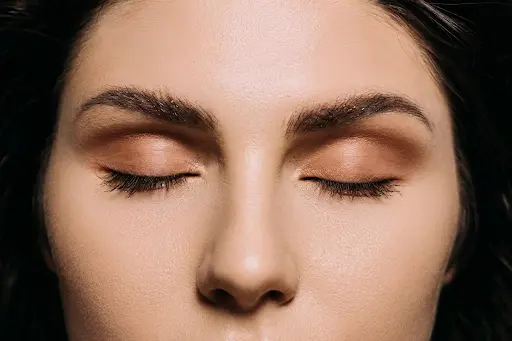
The roots of the upper eyelashes sit close to the eyelid margin. During a standard procedure, the incision lies higher in the natural eyelid fold. This keeps it away from the lash line.
You might still notice:
- A few lashes falling out during early recovery
- Lashes appear flatter because of swelling
- Temporary numbness around the eyelid or lashes
- Crusting from the ointment that makes lashes stick together
- Difficulty applying mascara during healing
- Mild changes in lash direction as swelling settles
Did you know Permanent eyelash loss is uncommon. It becomes more likely if an incision is placed too close to the lash follicles, an infection develops, or scar tissue damages the roots. Numbness around the eyelashes is a recognized possible side effect of eyelid surgery, although it is often temporary. (American Society of Plastic Surgeons) |
Contact your surgeon if lash loss is concentrated in one patch, continues for several months, or is accompanied by redness, discharge, worsening pain, or an open wound.
How is Upper Eyelid Blepharoplasty performed?
The surgeon first studies your eyelid crease, brow position, skin quality, eye closure, symmetry, and tear-film health. An incision is then marked within the natural upper eyelid fold.
Depending on your anatomy, surgery may involve:
- Rebuilding the skin to remove the loose skin.
- Cutting flaps of fat, either by reducing them or shifting their location, in a conservative manner.
- Skin that is sufficient to provide clear eye closure.Sufficient skin to allow for comfortable eye closure.
- Balanced on both sides of the crease
- Finely suturing the incision
When both eyes are treated, the procedure is called bilateral upper eyelid blepharoplasty. Some patients also need upper and lower eyelid blepharoplasty, particularly when upper-lid heaviness occurs with under-eye bags or loose lower-lid skin, while others with early under-eye hollowing may benefit from facial fillers rather than surgical lower lid intervention.
Dr. Omar Fouda’s method is focused on meticulous evaluation, surgical extraction of tissue and a final outcome that harmonizes with the patient’s current facial morphology. The goal is to produce a more alert, less droopy appearance that doesn’t look hollow, tight or out of place.
Why do my eyes look weird after Upper Blepharoplasty?
During the first few weeks, your eyes may look uneven, overly open, rounded, tight, or different from one another. This usually reflects temporary swelling rather than the final outcome.
Common reasons include:
- A soft, bruised or damaged area on the opposite side of the body?
- Purple discoloration of the eyes due to bruising
- Temporary numbness at the site of the incision
- A new eyelid platform that may be seen upon opening the eyelid
- Heavy eyelid skin adjusting to the exerted energy in the brow muscles, particularly in patients where brow descent has been contributing to upper lid heaviness, and where a brow lift may also be considered.
- The eyelid skin has been put through heavy lifting over the years and is adjusting
- Drying, watering, or sensitivity to light
- Firmness of the scar in early healing
The photos of the first week don’t really reflect a real “before and after” of a blepharoplasty done on the upper lid. If there is swelling that occurs early, it can generate a distortion of the crease, particularly in close-up photography. It takes several weeks for eyelids to become soft and natural-looking, and they will be refined for several months.
Upper Eyelid Blepharoplasty recovery: Day-by-day timeline
The following timeline is a guide rather than a promise. Your recovery may differ according to the amount of correction, whether another procedure was performed, your health, and how your tissues heal.
Recovery stage | What you may notice | What you should do |
Days 1–3 | Swelling, bruising, tightness, tearing, mild blurred vision from ointment | Rest, elevate your head, use cool compresses as advised, and take prescribed medication |
Week 1 | Bruising may change color, swelling begins to settle, and stitches may be removed | Avoid rubbing, bending, heavy lifting, makeup, contact lenses, and strenuous exercise |
Week 2 | Most visible bruising improves, but mild asymmetry or puffiness may remain | Return gradually to desk work and light walking after medical clearance |
Week 4 | Eyes look more familiar, incision redness fades, and most social activities resume | Increase exercise slowly and continue strict sun protection |
Month 3 | Scar texture softens, and the eyelid crease looks more settled | Attend follow-up and discuss any persistent dryness, asymmetry, or scar concerns |
Month 6 | The result is usually mature, with a finer crease scar and natural movement | Maintain sun protection and routine eye care |
Upper lids generally heal faster than lower lids. Lower eyelid surgery can produce more persistent swelling because it may involve fat repositioning, lid support, or an incision near the lash line. Temporary bruising and swelling are expected with both procedures.

Blepharoplasty Upper Eyelid recovery tips for Saudi Arabia
Riyadh’s heat, dry air, bright sunlight, and dust can make healing eyelids feel more sensitive.
For a more comfortable recovery:
- Stay indoors during the hottest part of the day
- Avoid direct sunlight while bruising and scars are healing
- Wear wraparound sunglasses and a wide-brimmed hat outdoors
- Keep the air-conditioning comfortable rather than extremely cold or dry
- Use lubricating drops only as directed
- Avoid dusty outdoor areas during the first stages of healing
- Do not use a sauna, steam room, hot bath, or very hot shower
- Delay gym training, heavy lifting, and high-intensity exercise until cleared
- Drink enough water and limit very salty meals if swelling is troublesome
- Sleep with your head raised for the first several nights
You can usually wash the lower part of your face gently within the first day, but the incision must be treated according to your surgeon’s instructions. Many patients can clean around the eyelids carefully after 24 to 48 hours. Do not direct strong water pressure at the stitches or rub the incision.
Pain management and temporary side effects
Pain management and short-term effects on the body.
Pain after upper eyelid surgery is usually mild. These sensations, like tightness, tenderness, dryness, grittiness, and a little burning, are common but are not painful.
Your surgeon may suggest:
- Prescribed pain medication
- Cool compresses during the early period
- Lubricating eye drops
- Eye ointment for the incision or ocular surface
- Sleeping with your head elevated
- Short breaks from phones and computer screens
Do not take aspirin, ibuprofen, herbal remedies, or blood-thinning products unless your surgical team has approved them.
Seek urgent medical advice for severe or increasing pain, sudden visual loss, new double vision, rapidly expanding swelling on one side, persistent bleeding, or difficulty closing the eye.
Risks and downsides of Blepharoplasty
Blepharoplasty has a good safety record when performed for the right patient by an appropriately qualified surgeon. However, every operation carries possible complications.
Possible concern | Usual course or response |
Swelling and bruising | Usually improves over one to three weeks |
Dry or watery eyes | Often temporary and managed with prescribed lubrication |
Temporary blurred vision | May result from ointment, swelling, or dryness |
Asymmetry | Mild early differences are common while swelling settles |
Visible scarring | Generally fades within the natural crease |
Difficulty closing the eyes | May be temporary, but requires prompt assessment if persistent |
Infection or bleeding | Uncommon but needs medical care |
Eyelash numbness or altered sensation | Often improves during nerve recovery |
Need for revision | Occasionally considered after complete healing |
Possible eyelid surgery risks include bleeding, dryness, infection, difficulty closing the eyes, altered sensation, persistent pain, asymmetry, and revision surgery.
Can eyesight change after Blepharoplasty?
Temporary blurring can occur because of ointment, swelling, dryness, tearing, or light sensitivity. These effects usually improve as the surface of the eye recovers.
Some patients with upper eyelid skin blocking their peripheral field may notice improved upper-field vision after functional surgery. Research has reported improvement in superior visual-field obstruction in suitable patients.
Permanent sight-threatening complications are rare, but sudden loss of vision or severe eye pain is an emergency.

Who should avoid or delay Upper Eyelid Surgery?
Upper eyelid surgery may need to be delayed or reconsidered if you have:
- Uncontrolled diabetes or high blood pressure
- A bleeding disorder
- Severe dry eye disease
- Active eye or skin infection
- Untreated thyroid eye disease
- Prominent or bulging eyes that increase exposure risk
- Difficulty closing your eyes fully
- Recent eye surgery
- Unstable health problems
- Unrealistic expectations
- An inability to stop smoking before and after surgery
A thorough examination is particularly important if you use glaucoma drops, wear contact lenses, have had laser eye surgery, or experience chronic eye irritation.
Do eyelids grow back after Blepharoplasty?
Removed eyelid skin does not grow back. However, the remaining skin and tissues continue to age. Sun exposure, genetics, brow descent, skin elasticity, and lifestyle can gradually recreate some heaviness, concerns that may eventually be addressed through a facelift as part of a longer-term facial rejuvenation plan.
A well-performed result may remain noticeable for many years. Some patients use Botox periodically after surgery to maintain brow position and prevent early recurrence of heaviness.
Can Blepharoplasty be done twice?
Yes. A second procedure may be considered when aging creates new excess skin, the first operation was deliberately conservative, or a previous result needs correction.
- May be temporary, but needs immediate evaluation in case it persists
- Infection or bleeding
- Uncommon and in need of medical attention
- Numbness of, or changes in, the eyelashes
- Mostly gets better after nerve recovery
- Need for revision
- Sometimes included following recovery
- Scar quality
- Brow position
- Previous surgical changes
- The reason for another procedure
Repeated surgery requires added caution because too much skin removal can cause tightness, dryness, exposure, or difficulty closing the eyes.
Upper Eyelid Blepharoplasty before and after: What result should you expect?
A balanced upper eyelid blepharoplasty natural result should retain your identity. Your eyes may look more open and rested, but they should not look excessively hollow or pulled.
Patients may notice:
- A clearer upper eyelid crease
- Less skin resting on the lashes
- Easier makeup application
- Reduced heaviness
- Better visibility of the natural eye shape
- A more alert appearance
- Possible improvement in an obstructed upper visual field
When making comparisons on upper eyelid blepharoplasty before after male, the surgeon will generally aim to maintain a lower, more natural crease and avoid over removal. Men and women have different types of eyelid goals and different anatomy, so surgery should be done according to their different anatomy and not a standard template.
Most people may notice that you look rested, but they may not identify that you had surgery. A conservative change is usually less obvious than an aggressive one.
Why are celebrities getting rid of hooded eyes?
Hooded eyes have become a common topic because high-resolution cameras, social media, and makeup trends place greater attention on the upper eyelid platform.
However, hooded eyes are a normal inherited feature, not a defect. Surgery should not be chosen simply to copy a celebrity or trend. Removing too much skin can erase family characteristics, change expression, or produce an over-operated appearance.
The decision should be based on your own eyelid heaviness, vision, comfort, and personal goals. Patients with mild early heaviness may also explore skin tightening as a non-surgical first step before considering surgery.
Upper Eyelid Blepharoplasty cost
The upper eyelid blepharoplasty cost varies because no two surgical plans are identical. A reliable quotation normally follows an in-person assessment.
The total fee may depend on:
- Upper lids alone or upper and lower lids together
- Local anesthesia, sedation, or general anesthesia
- Operating facility fees
- Complexity of previous surgery
- Whether fat repositioning is required
- Other brow or facial treatments
- Pre-op and post-op testing.
Never select a surgeon because they are the cheapest. The key to eyelid surgery is to make accurate measurements, use a conservative approach, and minimize the risk to eye closure and function.
Questions to ask prior to surgery
Use this list of questions during your consultation:
- Do eyelid skin, brow descent or both cause my concern?
- Will the cut be within the crease?
- How do you plan to keep the line of my eyelashes?
- How much skin can be removed safely?
- Do I have dry eye or incomplete eyelid closure?
- Would I benefit from upper lids alone or upper and lower eyelid blepharoplasty?
- What result would suit my sex, ethnicity, age, and facial structure?
- What does the quoted cost include?
- Who should I contact if I develop pain or visual changes?
- When can I return to driving, work, exercise, makeup, and contact lenses?
Why choose Dr. Omar Fouda for Upper Eyelid Blepharoplasty?
Dr. Omar Fouda is a Canadian and Saudi board-certified plastic surgeon with more than 20 years of international surgical experience. His training and academic work include affiliations with McGill University and King Saud University.
Patients choose his care for:
- Advanced experience in facial aesthetic and reconstructive surgery
- A conservative focus on natural-looking change
- Explanation of benefits, restrictions, expenses, and potential complications
- Custom eyelid plans instead of a uniform eyelid shape
- Consultations available in Arabic, English and French
- Detailed post-op care during eyelid surgery recovery, including access to hyperbaric oxygen therapy to support faster healing where clinically appropriate.
Restore a brighter look without compromising your natural features
Concerns about losing your eyelashes should not stop you from exploring upper eyelid blepharoplasty. When the procedure is performed with careful planning and precise technique, the eyelash follicles are protected, and the focus remains on creating a refreshed, well-balanced appearance that still looks like you. Understanding the recovery process, possible risks, and realistic outcomes allows you to make an informed decision with confidence.
If drooping upper eyelids are affecting your appearance, confidence, or vision, a personalized advice is the best place to start.
Dr. Omar Fouda combines more than two decades of international experience with a meticulous, patient-focused approach to deliver natural-looking results that respect your unique facial features.
Book your consultation today to discuss your concerns, understand your treatment options, and receive a surgical plan tailored specifically to your goals.
Related Post





FAQs
Eyelash loss is usually temporary since the incision is usually made in the upper eyelid crease, not directly in the lash roots. Swelling and healing can result in temporary shedding or a change in lash direction.
The upper eyelids tend to heal up quicker. If surgical adjustments are performed on the lower lid, they will likely cause bigger changes to the tissues, and/or the repositioning of fat, and/or the support of the lid, which may result in longer-lasting swelling.
There is no medically precise number. Many patients look less tired or heavy around the eyes, but the procedure should refresh your appearance rather than make you look like a different age.
During the first one or two weeks, bruising and swelling may be noticeable. Once healed, friends may think you look rested without knowing why, especially when the correction is conservative.
Most patients return to their office jobs and light daily activities in 7-14 days. Swelling gradually improves for a few weeks, and the scar and crease will mature in 3-6 months.
Blepharoplasty can be performed more than once if needed. Some patients choose a second procedure years later as the natural aging process continues, while others may require revision surgery to refine an earlier result. Your surgeon will assess whether repeat surgery is safe and appropriate.
It is possible to partially clean face parts within the first day, avoiding water and pressure on the incisions. Clean eyelids and stitches according to surgeon’s directions.
Yes. They can be used together to help correct upper lid heaviness and “bags” under the eyes in the same procedure.
Like any surgery, blepharoplasty carries some risks. Temporary swelling, bruising, dry eyes, and mild discomfort are common during recovery.
Not usually. In an upper blepharoplasty, the incision is placed in the natural eyelid crease (not along the eyelash line), which leaves the eyelash roots intact. A few people experience temporary shedding or changes as a result of swelling, but it is rare for permanent eyelash loss to occur.